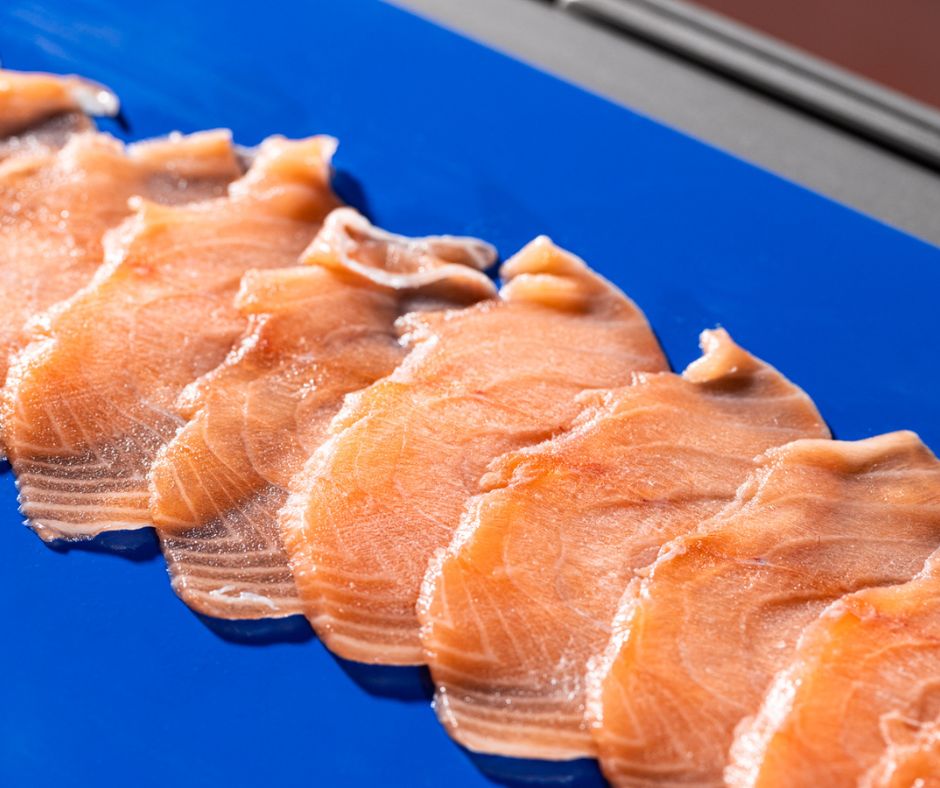
In the food industry, presentation is part of a product’s value. A package of salami in which the slices feature that characteristic angled cut—wide, beveled, and visually distinctive—or slices of smoked salmon with a perfectly uniform shape have a direct impact on shelf appeal and purchasing decisions. Achieving that finish with angled-cut slicers, as opposed to manual processing or generic machinery, has a huge impact on speed, consistency, and costs.
This is the starting point for a recent FINOVA success story: an Italian brand specializing in Italian-style cured meats and smoked salmon that needed to automate its angled slicing process for two very different products—and found in the SliceFil line the solution it had been searching for unsuccessfully for some time.
The challenge: automating a bevel cut for two completely different products
Angled slicing is not the most common type of cut on a standard production line. Unlike conventional straight cutting, bevel cutting requires a precise blade angle to produce wider slices from pieces with a smaller diameter or height—the visual effect achieved when cutting a fuet or chorizo “diagonally.”
This company used to carry out this process manually or with minimally automated threading machinery capable of making about 60 cuts per minute. The result was a clear bottleneck: production capacity was limited, package weights could vary, and assigning operators to a manual process of this type incurs costs that are difficult to sustain at scale. These are the typical signs that lead any plant to consider whether it’s time to automate industrial slicing.
They looked for alternatives on the market. They contacted competitors. They even went so far as to request a custom-built machine. None of the options turned out to be what they needed—until they tried FINOVA’s machinery.
The solution: two machines for two products, based on the same principle
What makes this project unique is that, although the client needed to automate angled slicing in both cases, smoked salmon and cured salami are radically different products in terms of texture, structure, and shape. They therefore require different approaches.
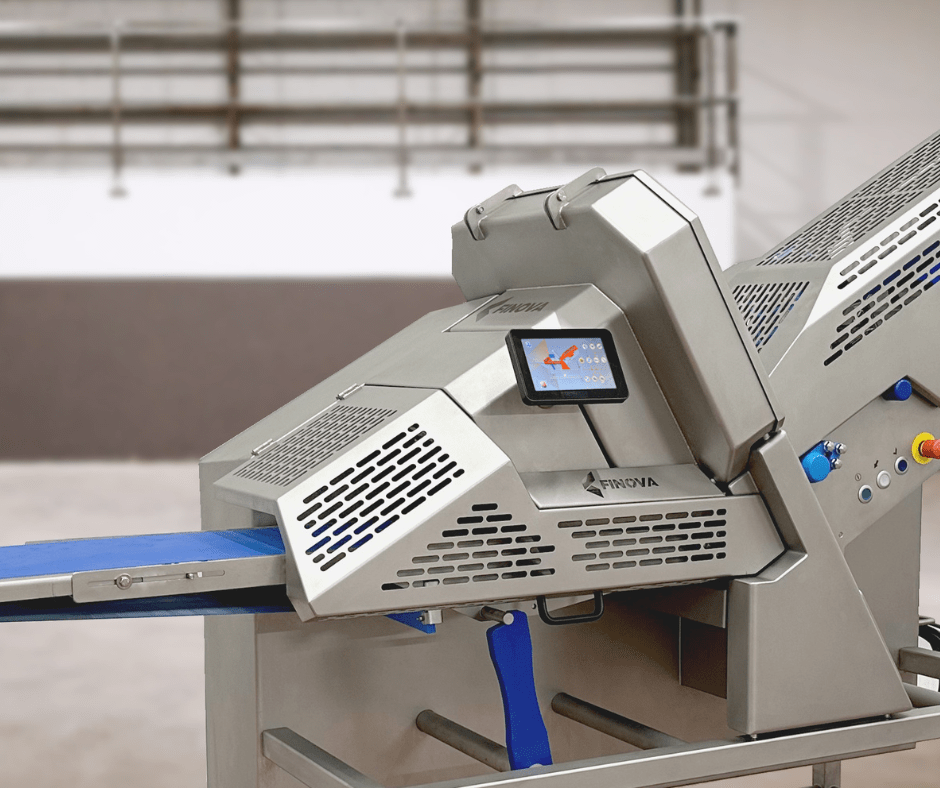
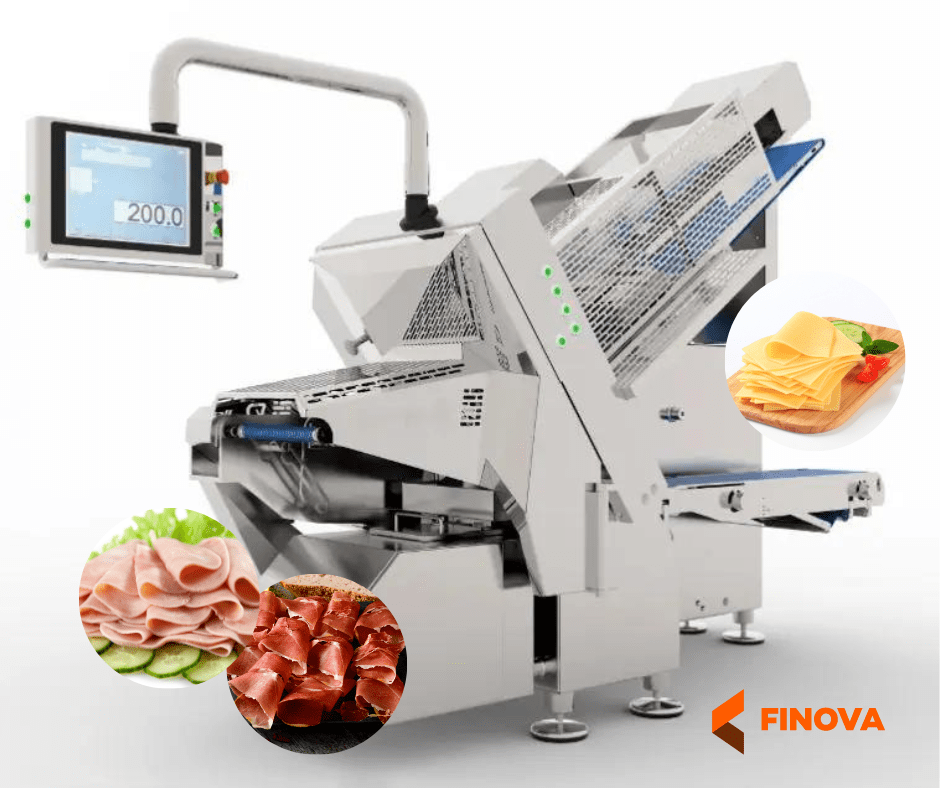
SliceFil-310: Angled Slicer for Cured Deli Meats
For the salami, the choice was the SliceFil-310, a compact slicer designed for angled slicing of cured sausages. The machine operates at a 46° angle, which creates the visual effect of wide slices and a beveled presentation that consumers associate with high-quality products such as fuet, chorizo, or salami.
The angled cut is not just for aesthetic purposes: by increasing the angle relative to the perpendicular, the surface area of the slice is larger even though the thickness remains the same. For a cylindrical product with a small diameter, such as salami, this maximizes the visual appeal of the piece and improves its presentation in the package.
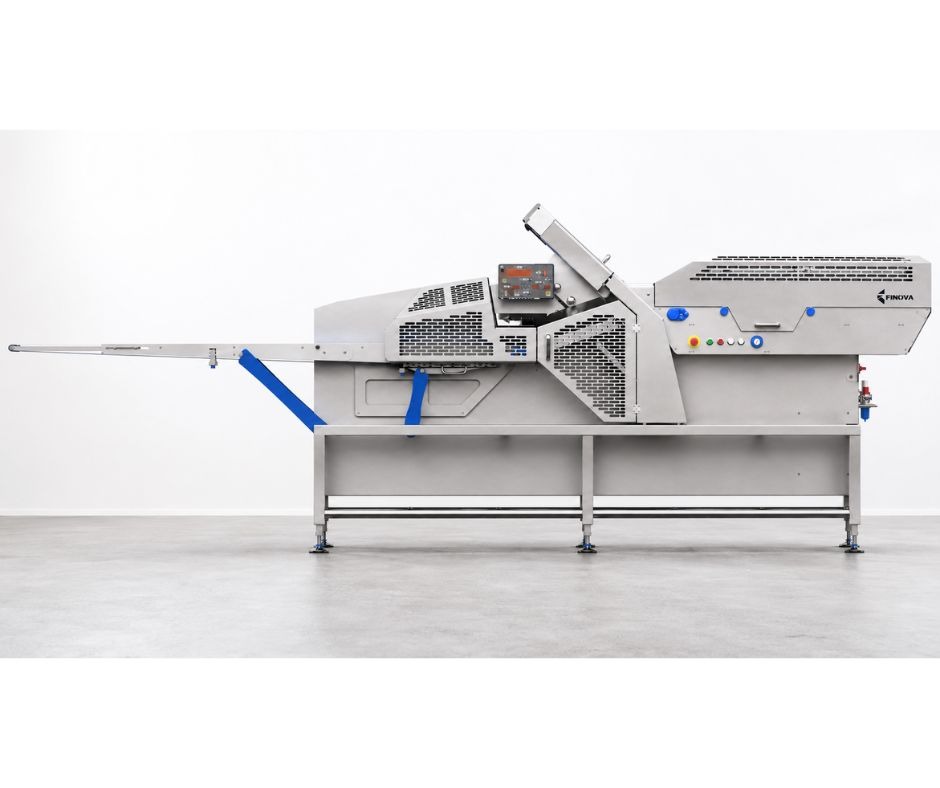
View the SliceFil-310 technical data sheet →
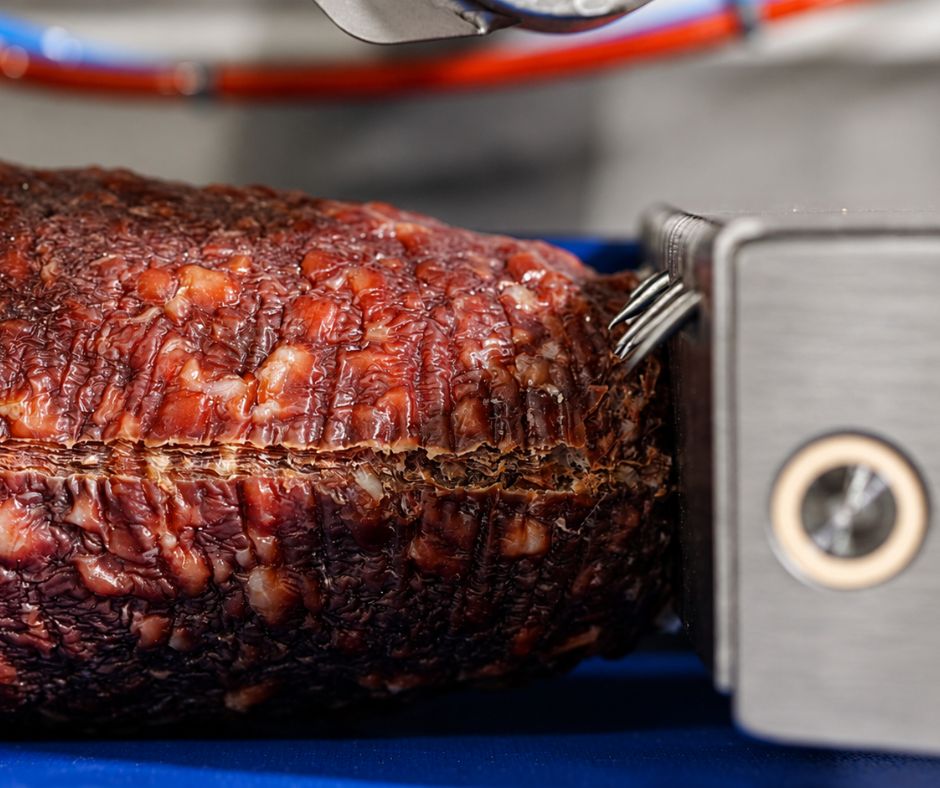
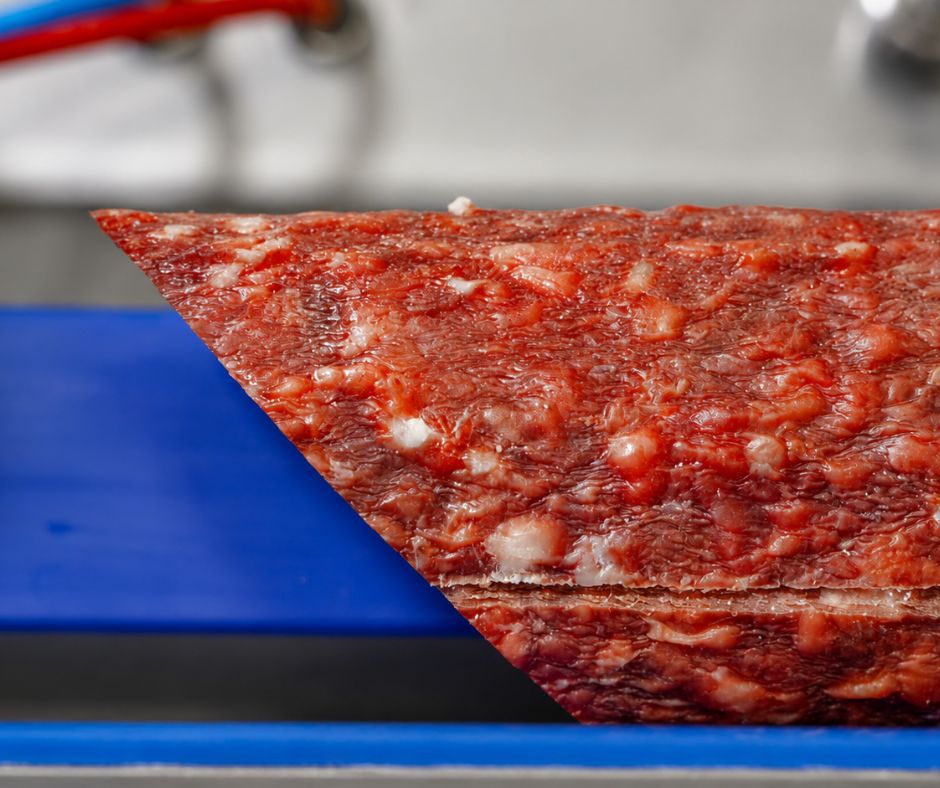
SliceFil-360: Angled Slicer for Smoked Salmon
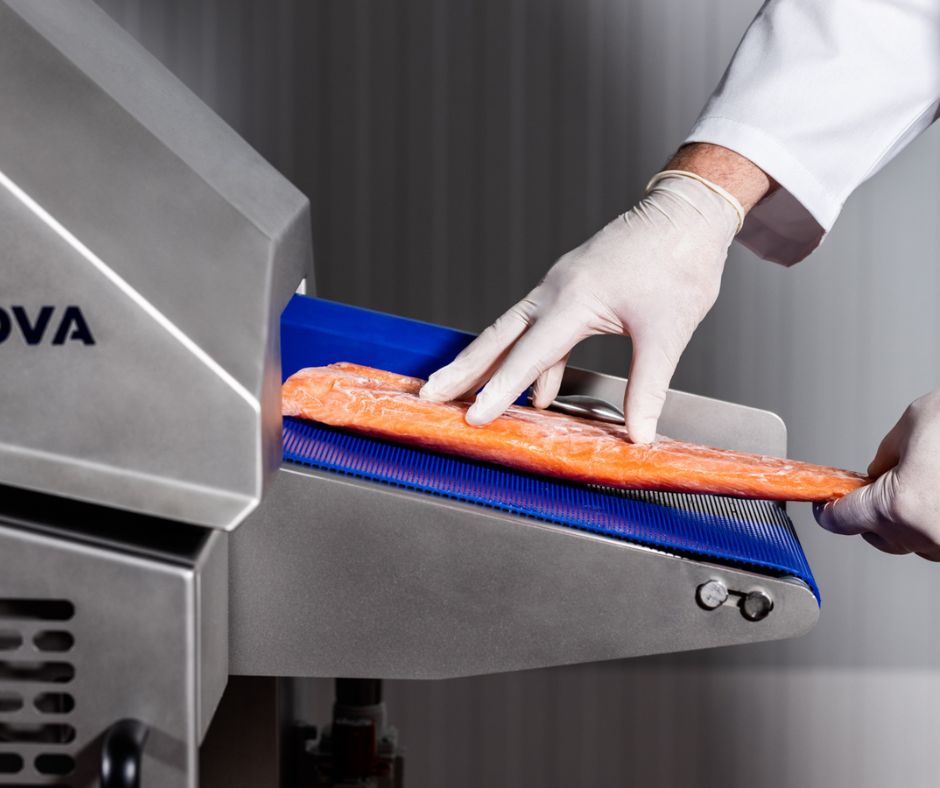
Smoked salmon presented a different challenge. It is a product with little thickness, a delicate texture, and one that is processed at cold temperatures. For this product, FINOVA developed the SliceFil-360, a slicer that cuts at a 60° angle—an even greater angle than that of the 310, which allows for even wider slices to be obtained from a piece that is barely any thick.
A key difference from the SliceFil-310 is that the SliceFil-360 does not have a clamping gripper. Smoked salmon is a delicate product: its texture cannot withstand the pressure of a conventional gripper without the risk of damaging the piece or altering its appearance. That is why the SliceFil-360 uses a different loading system—the pieces are fed directly into the machine in sequence, allowing for continuous feeding without interruptions between pieces, combining care for the product with a production output far superior to that of the manual process.
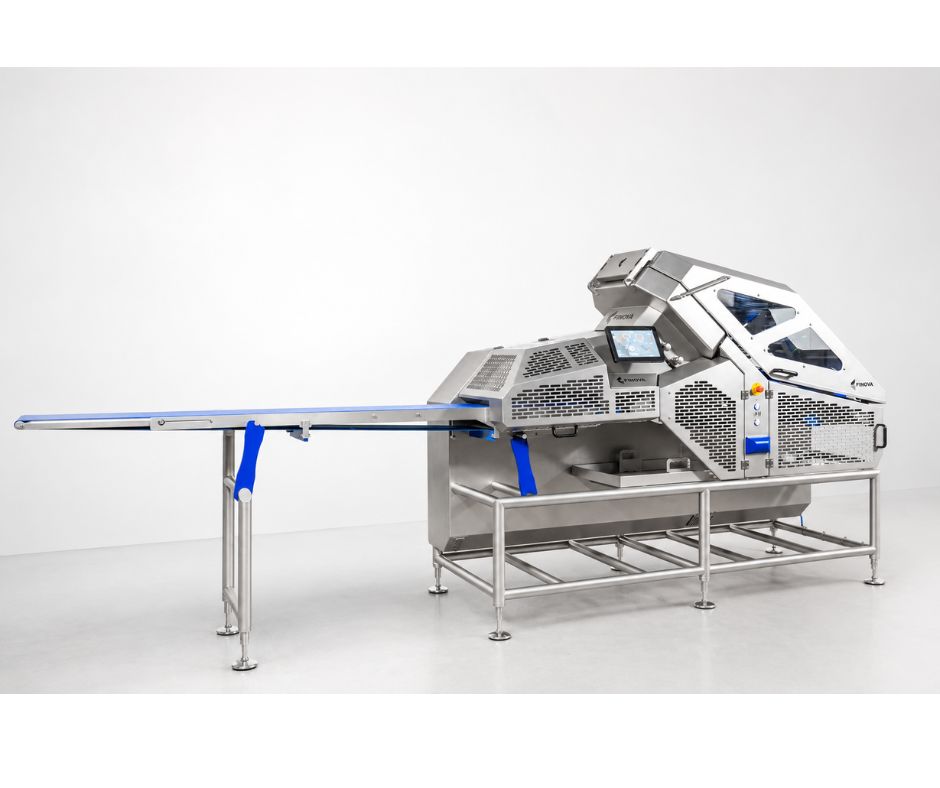
View the SliceFil-360 technical data sheet →
Start-up: Technical Support at the Destination
The machines were shipped to the customer’s facility in Italy. Once they were received, FINOVA’s technical team traveled there to perform the on-site commissioning and adjust the parameters of each machine to the exact specifications of the customer’s products—slice thickness, speed, desired presentation—until the desired result was achieved.
This hands-on support during startup is part of FINOVA’s standard process: the machinery is calibrated under the customer’s actual production conditions. The customer is also trained on how to operate the machine and perform proper maintenance.
If you want to know what’s involved in setting up and starting up a SliceFil slicer, you can consult the complete guide to preparing, assembling, and maintaining SliceFil slicers.
Results: greater capacity, greater consistency, greater profitability
Since its launch less than a year ago, the brand has already begun marketing its sliced products using the new machinery. The changes have been significant on several fronts:
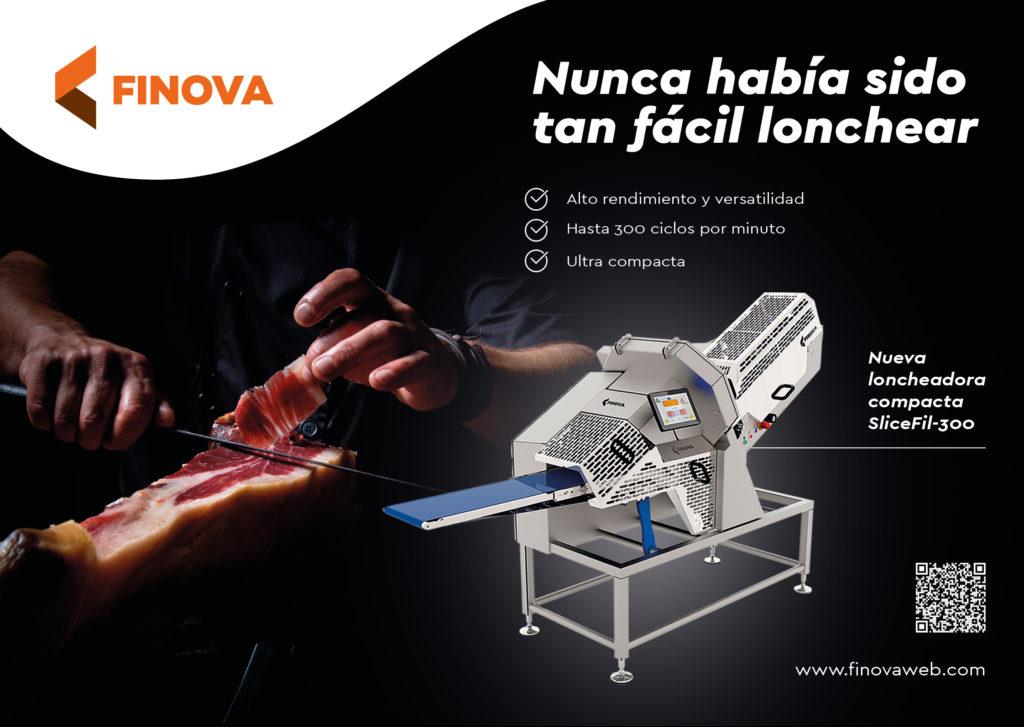
Production capacity has increased significantly. The previous manual process allowed for approximately 60 cuts per minute. With the SliceFil-360, the customer can achieve up to 300 cuts per minute —a 5x increase in capacity that completely transforms the scale of production possible.
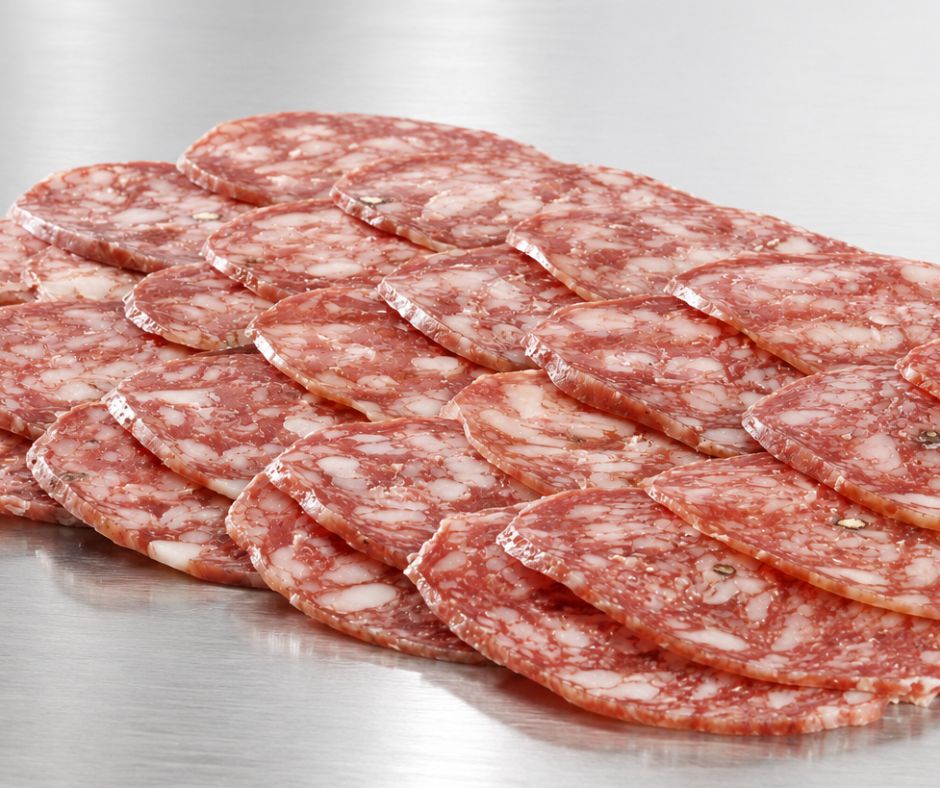
Consistency in thickness and weight. The salami slices are now uniformly thick in every cut, resulting in packages with consistent weight —a critical factor for both cost control and regulatory compliance in packaging.
A more cost-effective process. Automating angled slicing has enabled the customer to produce more packages in less time, reduce reliance on operators for a repetitive manual task, and increase the volume of product available for sale.
Why Not All Angle Slicers Are the Same
Bevel cutting is a process that most slicers on the market are not designed to perform. It is not enough to simply tilt a standard blade: the feed system, workpiece clamping, and angle control must all be specifically designed for this type of cut.
The angle-cut slicers in the SliceFil line—the 310 for cured or cooked sausages and the 360 for fish and low-profile products such as duck ham—are engineered from the ground up to solve exactly this problem. These compact machines take up little space on the production line and allow producers to stand out with a presentation finish that, until now, was only possible by hand.
Do you produce cured meats, smoked salmon, or other products that require angle-cut slicers?
Contact FINOVA’s technical team, and we’ll work with you to determine which solution best suits your product and production volume.