The automation of industrial slicing lines has become a key factor in improving competitiveness within the food industry. In an increasingly demanding environment in terms of production volumes, slicing precision, cost control and traceability, manual or poorly automated slicing tends to become one of the main bottlenecks in a production plant.
Automating this phase becomes a strategic decision that directly impacts the efficiency, quality of the final product and the overall profitability of the production process.
When is it appropriate to automate industrial slicing?
There are several indicators that indicate the right time to take the step towards industrial slicing automation:
- Increased productivity demands, with higher production rates.
- Need for greater accuracy in package thickness and weight.
- Pressure on costs, especially in labor and shrinkage.
- Increased requirements for traceability and process control.
In many cases, manual or semi-automated slicing limits growth capacity, generates variability in the product and makes it difficult to control the process stably. In this scenario, technology allows slicing to be transformed into a stable, repeatable and perfectly controlled operation.
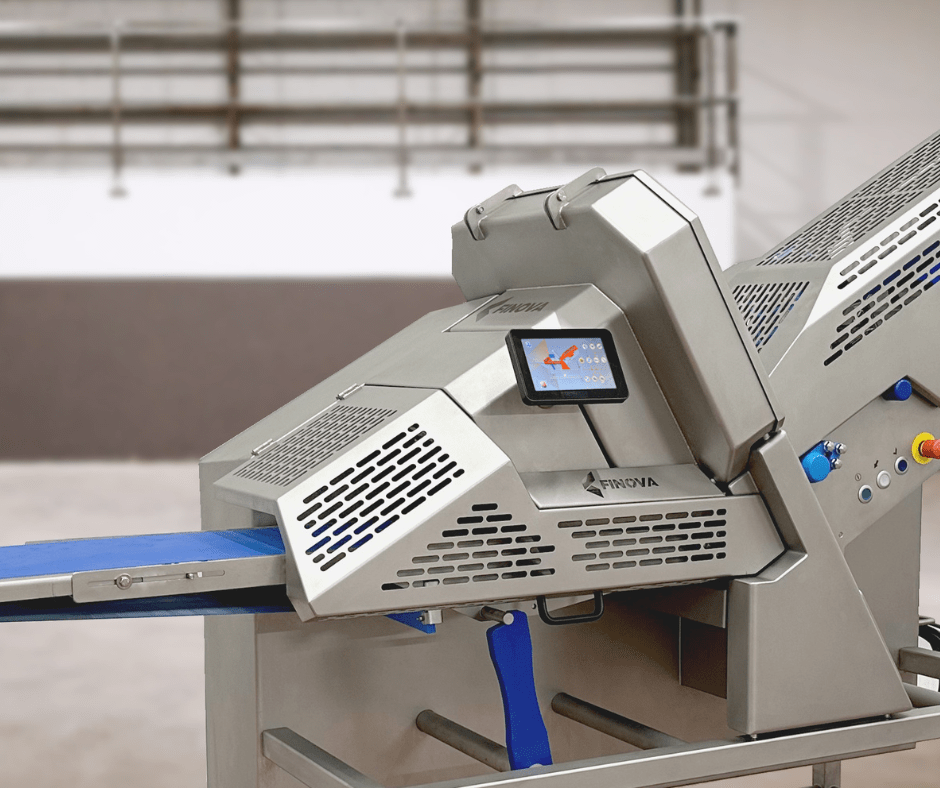
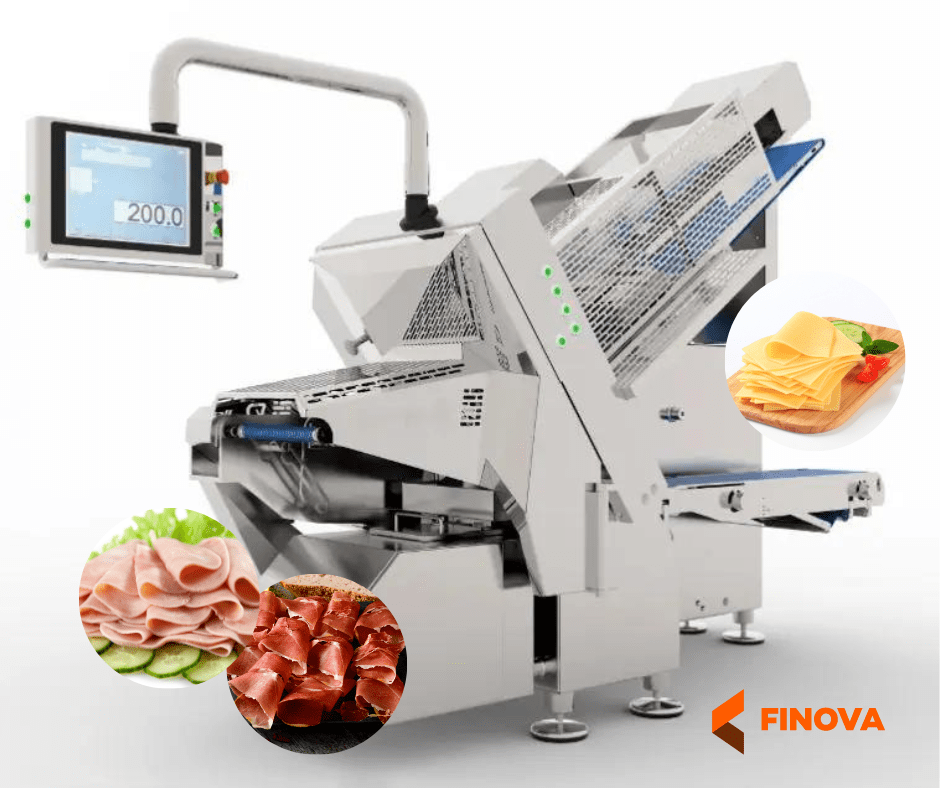
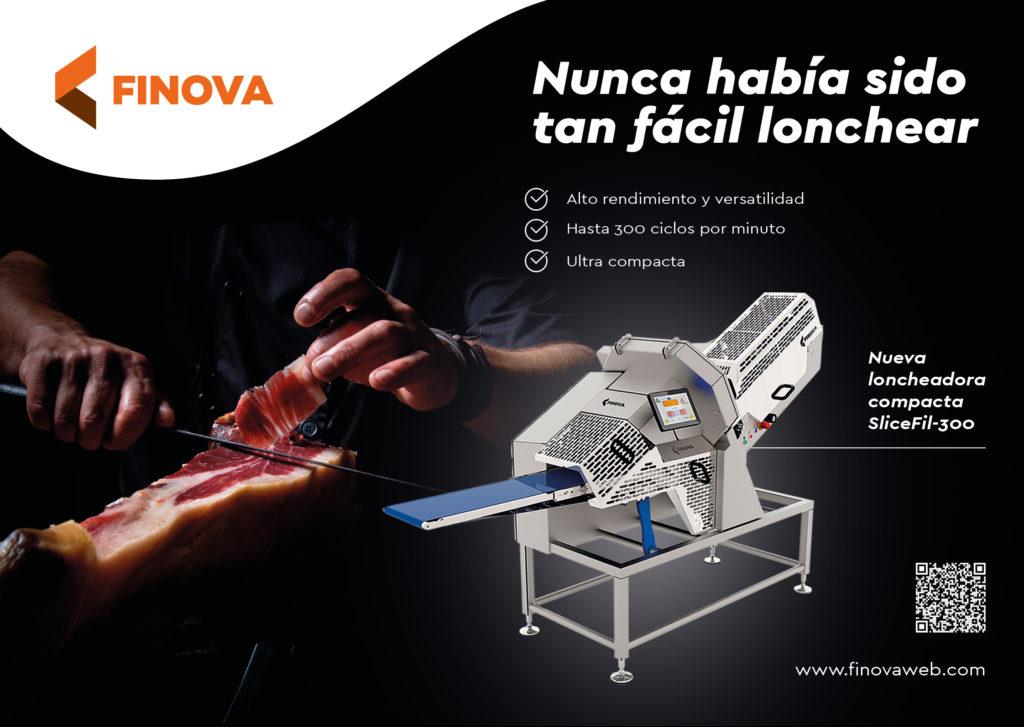
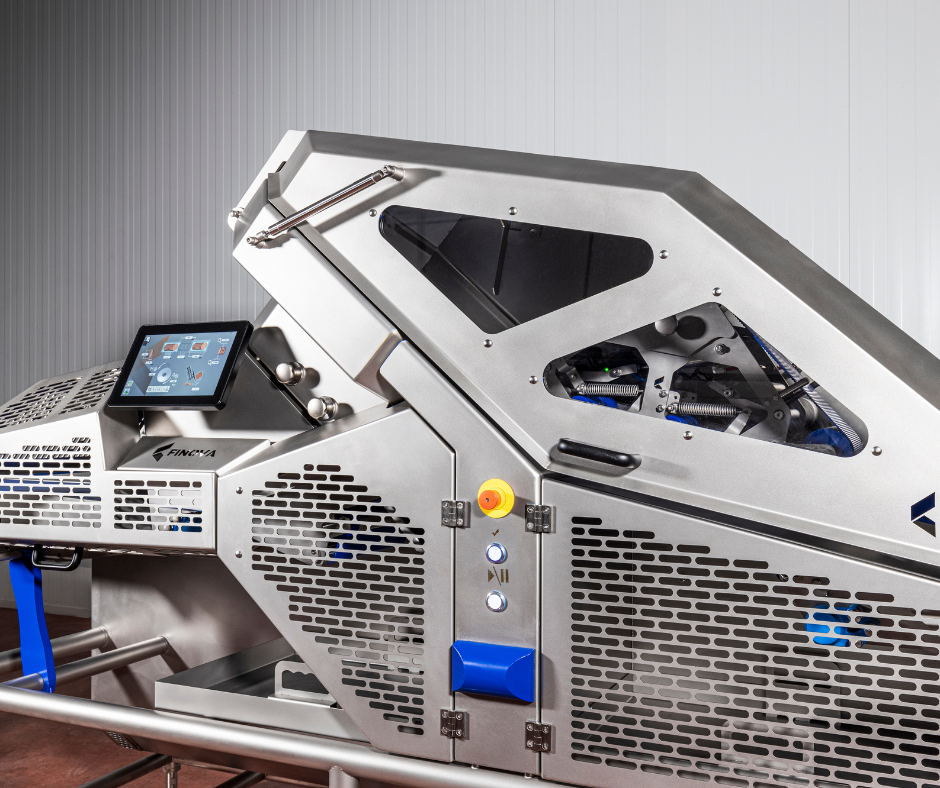
Finova’s SliceFil automatic slicers respond to this need, turning slicing into a phase aligned with current industrial standards.
Benefits of industrial slicing automation
Increased production speed
Automation allows you to work at constant and sustained rates, increasing production volumes without compromising the quality of the cut. This translates into greater production capacity with fewer interruptions.
Improved accuracy and reduced errors
Automated lines guarantee exact control of thickness and weight per container. Slicing precision is key for both perceived quality and cost control.
Optimization of human resources
Automating slicing reduces reliance on repetitive manual tasks. It allows:
- Improve ergonomics and occupational safety
- Reduce the variability associated with manual handling
Greater energy efficiency
Automated processes are more stable and predictable. It allows:
- Fewer stops and starts
- Reduction of reprocesses
- Lower energy consumption per unit produced
All of this contributes to more efficient and sustainable production.
Greater flexibility and adaptability
Automated slicing lines allow rapid changes in format, product or presentation, adapting quickly to market demand and increasingly diversified productions.
Why choose Finova’s SliceFil for slicing automation?
Finova’s SliceFil automatic slicers are one of the most complete and advanced ranges of industrial slicers currently available for the food industry.
Its design responds to the real needs of modern production plants:
- Adaptable to different production levels : medium, high and very high.
- Precision, reliability and robustness , designed for demanding industrial environments.
- Simple integration with dynamic weighing systems and automatic packaging.
This integration capacity makes SliceFil a key piece for building fully automated, efficient slicing lines prepared for the future challenges of the food sector.
Automation of industrial slicing is a natural step for those companies that want to improve productivity, guarantee product precision and maintain strict cost control. Opting for advanced solutions such as Finova’s SliceFil slicing systems allows you to transform slicing into a stable, scalable and aligned process.